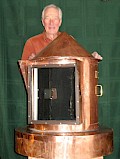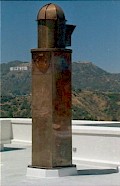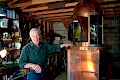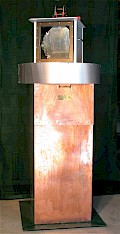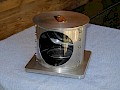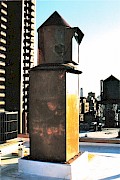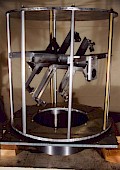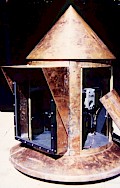
This website provides information about George T. Keene, an engineer who desiged, built and installed custom camera obscuras around the world. His CO work began in 1997 when he made his first CO in California. This site shares information and features about his projects as well as details about his career and many accomplishments.
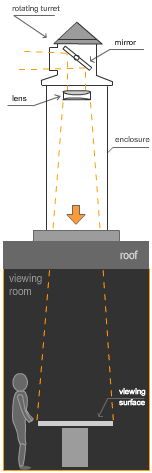
Invented centuries ago as an aid for artists, the camera obscura brings the outside inside. From its humble beginnings as a pinhole camera, the modern device can be a fully adjustable instrument that reveals insects around a nearby streetlight, traffic on distant freeways or smoke from the wheels of landing aircraft. The image is projected as a moving, full-color display viewed by a group of people in a darkened room.
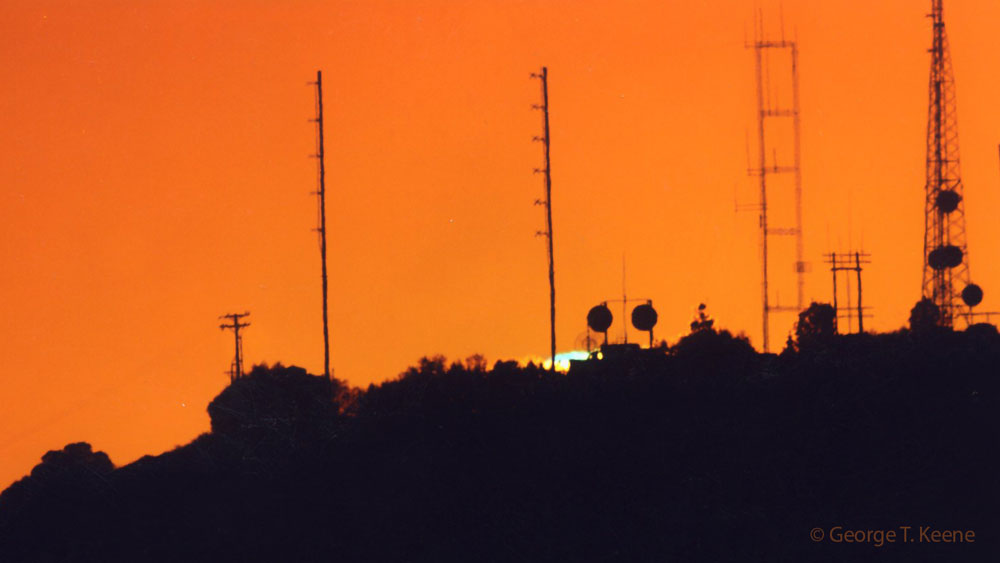
The camera obscura appeals to observers of all ages and interest – landscape views, clouds, sunsets, moon, sun and planets – all are revealed while you remain comfortably seated inside your own motorized telescope